Complete Guide to Vittorio Edge AI: Revolutionizing On-Device Intelligence

In a world rapidly leaning towards smarter devices, Vittorio Edge AI emerges as a cutting-edge solution, bringing artificial intelligence directly to the edge of networks. This guide delves deep into its capabilities, applications, and how it’s transforming industries by enabling real-time, on-device intelligence without relying heavily on cloud computing.
Introduction to Vittorio Edge AI
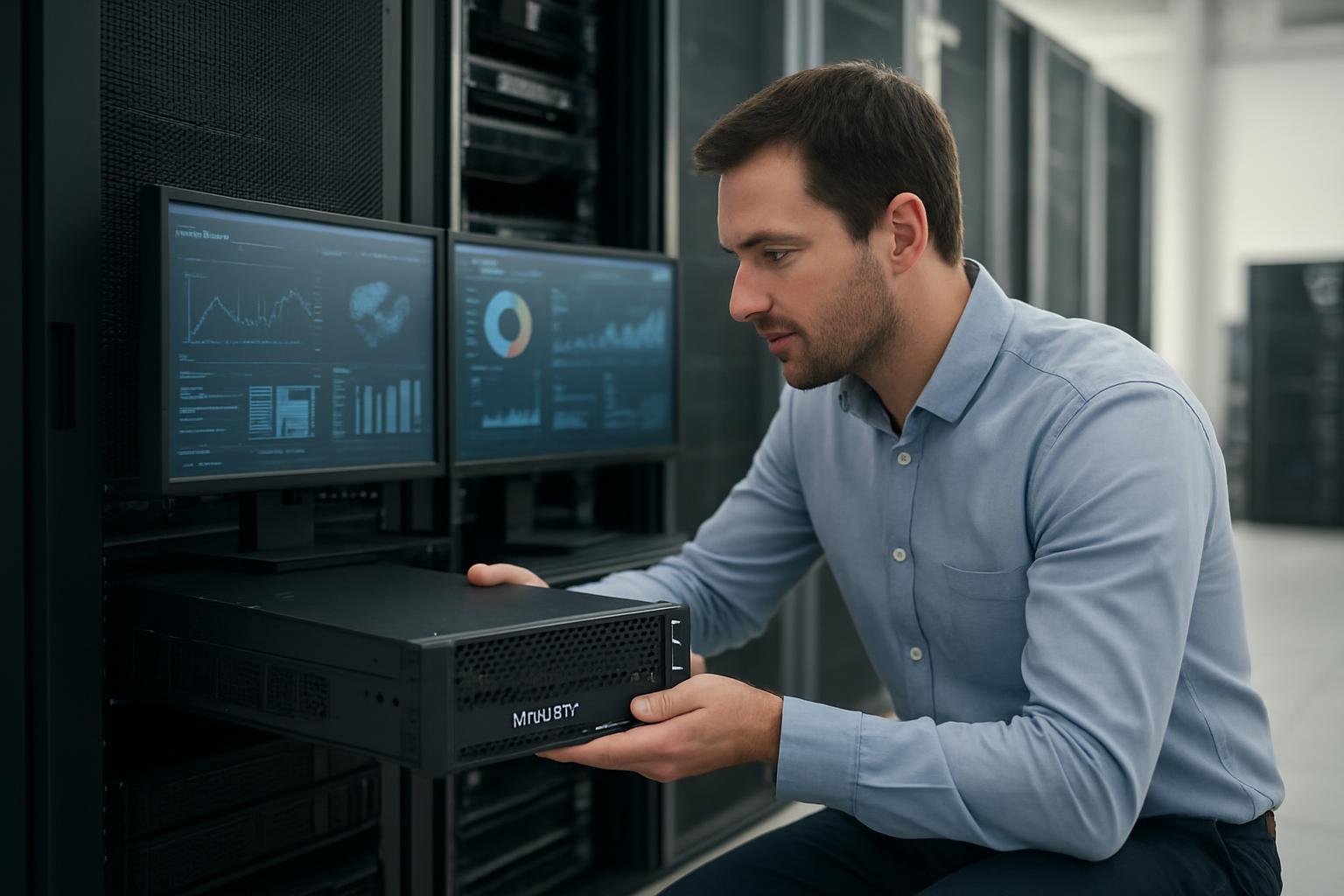
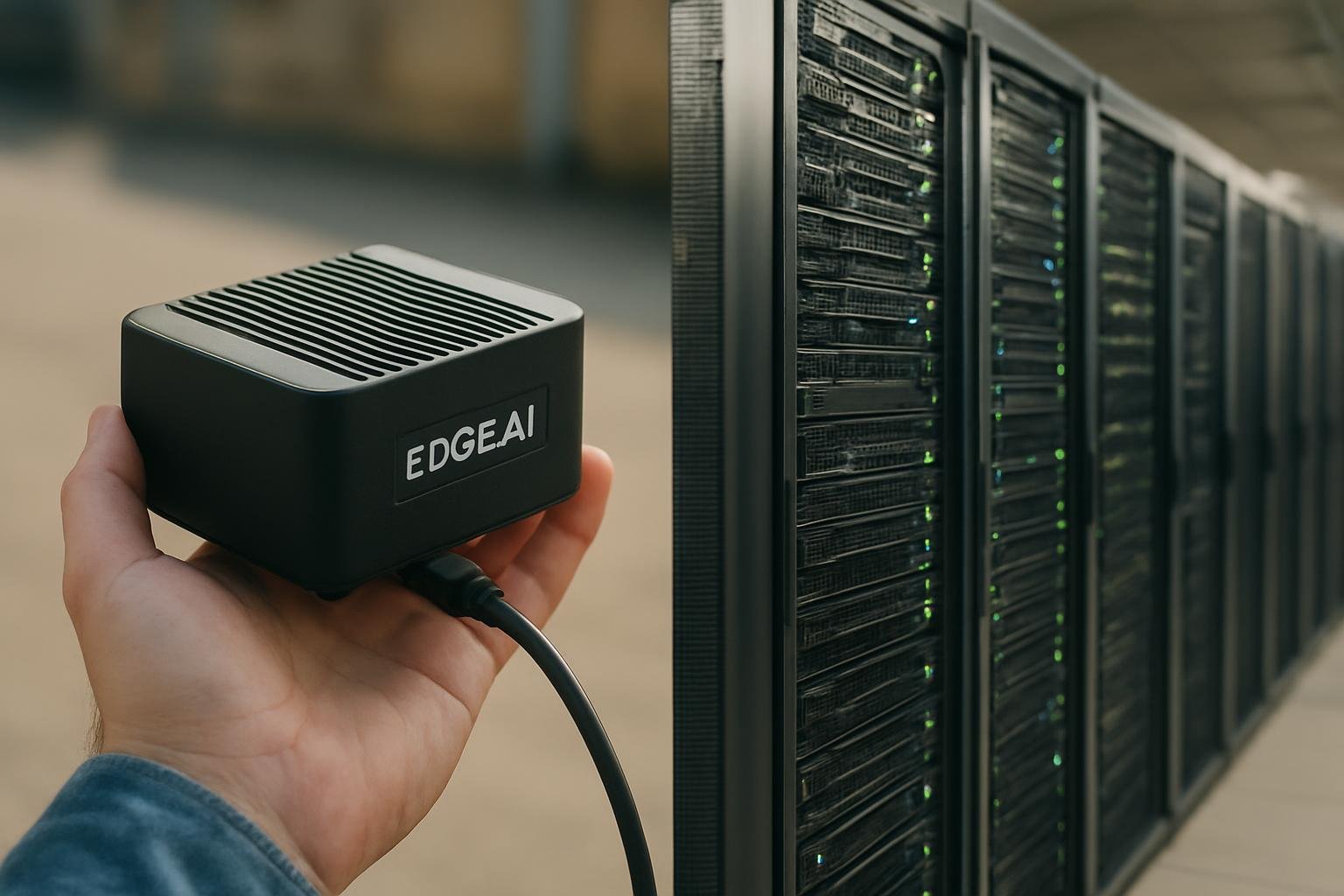
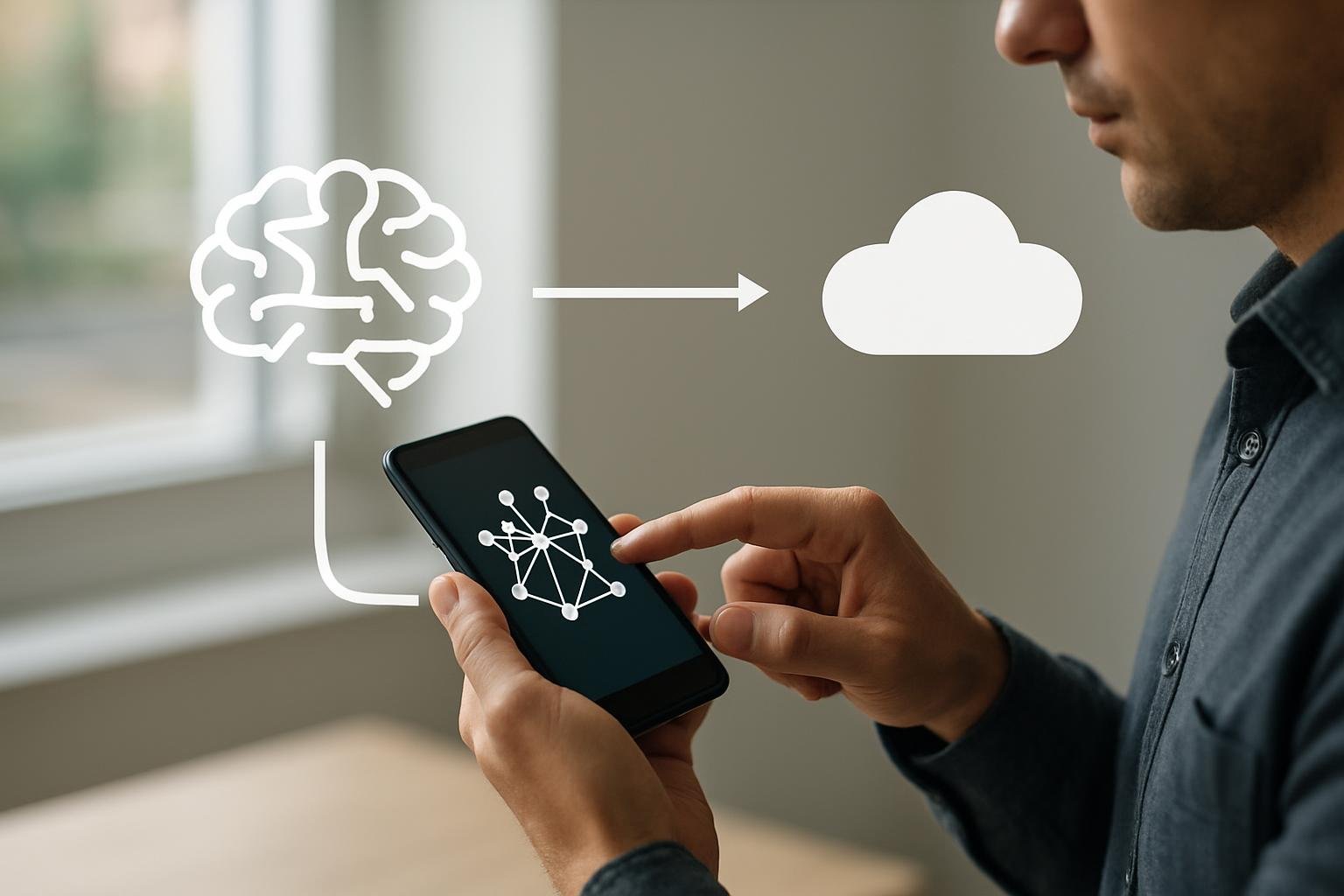
Vittorio Edge AI is a revolutionary technology platform designed to process artificial intelligence tasks at the edge of devices rather than centralized servers or the cloud. By doing so, it minimizes latency, enhances data privacy, and reduces bandwidth usage.
Edge AI, in general, refers to running AI algorithms locally on hardware such as cameras, smartphones, drones, or IoT devices. Vittorio’s solution integrates advanced AI models, optimization frameworks, and efficient hardware compatibility to offer unmatched performance even on resource-constrained devices.
Core Technologies Behind Vittorio Edge AI
The strength of Vittorio Edge AI lies in its amalgamation of several cutting-edge technologies:
- Optimized Neural Network Models: Vittorio employs lightweight AI models such as MobileNets and TinyML, optimized for low-power, real-time processing.
- Hardware Acceleration Support: It supports integration with specialized chips like GPUs, TPUs, and NPUs, enabling faster inference.
- Efficient Data Compression and Management: Techniques that reduce the need to transmit raw data, enhancing privacy and reducing network load.
- Real-Time Analytics and Decision Making: On-device analytics capabilities that allow immediate responses without cloud-dependency.
- Secure Model Deployment: Ensures that AI models run securely with encrypted storage and tamper-proof environments.
Applications of Vittorio Edge AI Across Industries
Vittorio Edge AI is versatile, impacting multiple sectors by providing smart, local intelligence:
- Healthcare: Real-time monitoring of patient vitals using wearable devices with alert systems for abnormal readings.
- Manufacturing: Automated defect detection in production lines, predictive maintenance through sensor analysis, and worker safety monitoring.
- Retail: Personalized in-store experiences with smart cameras detecting buyer preferences, inventory management through AI-driven sensors.
- Automotive: Advanced driver assistance systems (ADAS) and autonomous vehicle capabilities using in-car AI processing.
- Smart Cities: Traffic flow optimization, surveillance for safety, and environmental monitoring performed locally.
Benefits of Implementing Vittorio Edge AI
The implementation of Vittorio Edge AI yields significant advantages:
- Reduced Latency: Processing data on the device eliminates delays caused by data transfer to and from the cloud, critical for time-sensitive applications like emergency response or autonomous vehicles.
- Enhanced Privacy and Security: Sensitive data stays on the device, minimizing risks during transmission or storage on cloud servers.
- Lower Bandwidth Usage: By processing data locally, devices only send essential data when needed, conserving network resources.
- Improved Reliability: Devices can continue functioning even when network connectivity is poor or unavailable.
- Cost Efficiency: Reducing data transfer and cloud infrastructure dependency leads to lower operational costs.
Challenges and Limitations
Despite its benefits, Vittorio Edge AI faces some challenges:
- Hardware Constraints: Edge devices typically have limited processing power, memory, and battery life, which can restrict the complexity of AI models.
- Model Updates and Maintenance: Deploying updates to countless distributed devices can be complex and resource-intensive.
- Security Risks: While on-device processing enhances privacy, physical device tampering and protection against cyber-attacks remain concerns.
- Integration Complexity: Adapting existing systems to Vittorio Edge AI’s framework may require significant development and training.
Future Trends in Vittorio Edge AI
The evolution of Vittorio Edge AI is aligned with broader trends in AI and IoT:
- More Efficient AI Models: Continued research into ultra-lightweight models will boost capabilities on smaller devices.
- Advancements in Edge Hardware: Emerging chips designed explicitly for AI (AI accelerators) will transform performance and energy consumption.
- Federated Learning: Distributed machine learning approaches will allow devices to collaboratively improve AI models without sharing raw data.
- Expanded Industry Adoption: As technology matures, expect rapid adoption in sectors like agriculture, logistics, and energy management.
- Stronger Security Protocols: Innovations in encryption and secure enclaves will address vulnerabilities inherent in decentralized AI.